Cement-Free Sol-Gel Technology
A refractory bonding system engineered at nano scale, without hydraulic cement, to remove the limitations that cement chemistry introduces into monolithic linings.
Engineering the Next Generation of Refractory Matrices
The bonding phase decides how a monolithic lining behaves in service.
In a cement-bonded castable the binder is also the weakest link: hydrate phases release water on heating, leave porosity behind and introduce CaO into the matrix. IPC's sol-gel system replaces that chemistry with a colloidal network that becomes a ceramic bond during first heat-up.
The matrix is engineered at the scale where refractory failure actually starts — bonding phase, porosity distribution and aggregate interface are controlled together and verified on real microstructure.
Engineering Focus
- Cement-free sol-gel binder systems
- Nano-scale bonding phase engineering
- Thermal shock and hot strength optimization
- Controlled porosity and engineered microstructure
- Drying and heat-up schedule reduction
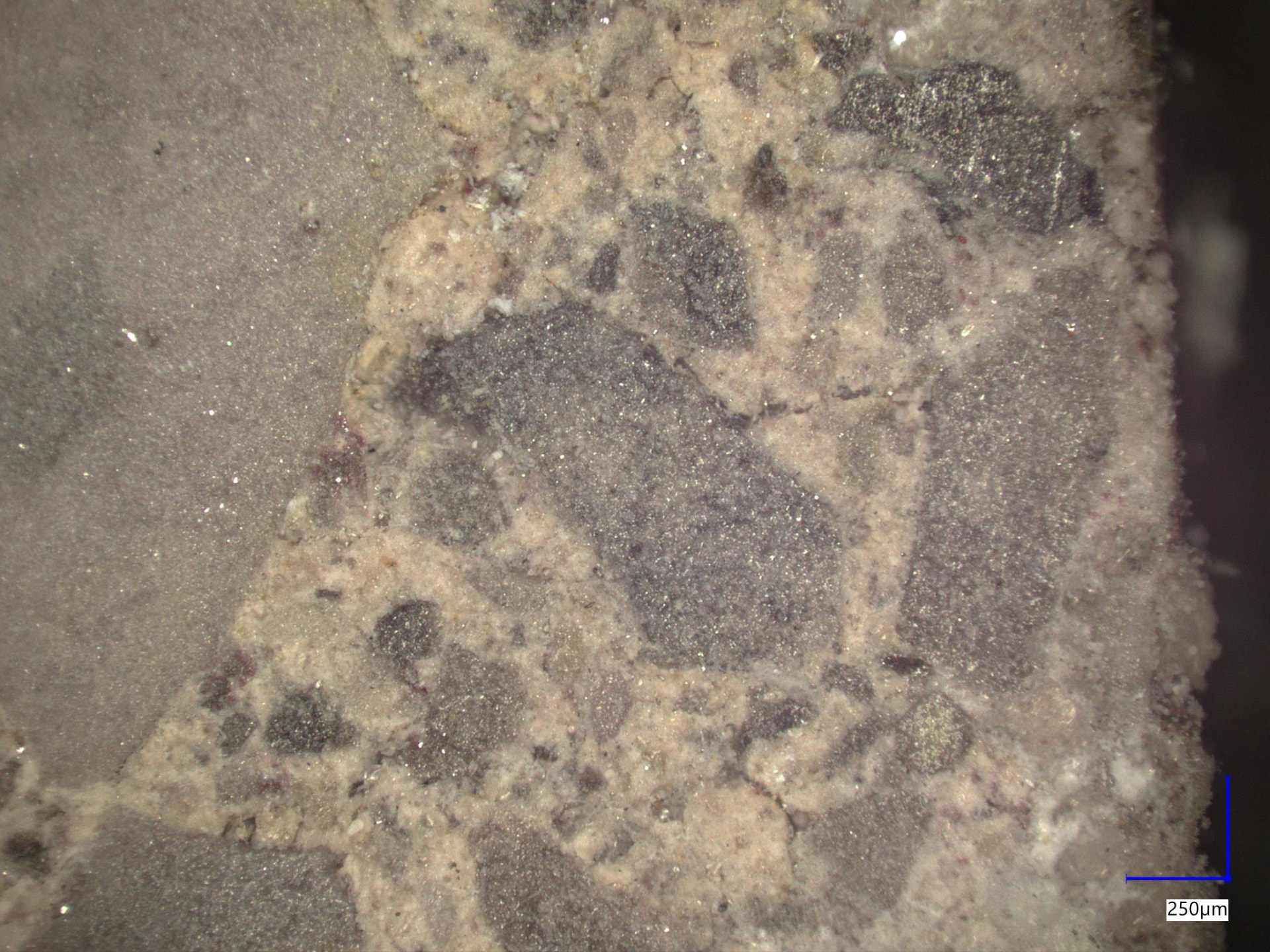
Control the matrix, and you control the refractory.
Green Technology Built on Nano-Scale Material Engineering
Lower energy and lower material consumption follow from the bonding chemistry itself.
- Reduced heat-up energyNo chemically bound water to remove means shorter, lower-energy dry-out schedules and less fuel or electricity per lining.
- Longer campaigns, less wasteExtended lining lifetime reduces refractory consumption per tonne of steel and the volume of demolition waste.
- Lower embodied CO₂Eliminating calcium aluminate cement removes a calcination-intensive raw material from the formulation.
- Fewer interventionsPredictable wear behaviour reduces unplanned repairs, and with them downtime, thermal cycling and energy losses.
Advanced Materials Science. Industrially Practical by Design.
Nano-scale engineering that fits existing plant practice.
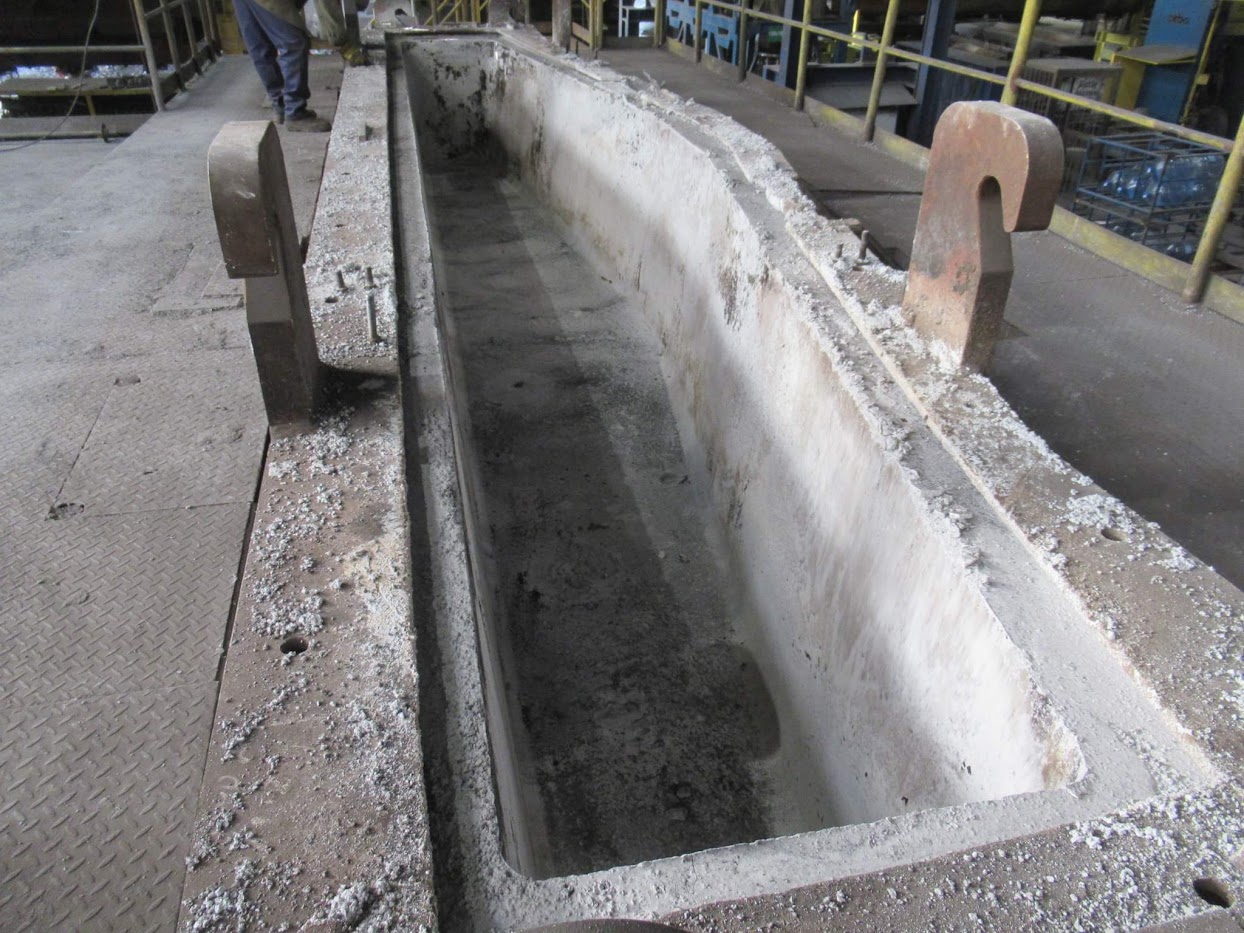
The system is designed to be used, not demonstrated. Mixing, casting, gunning, drying and heat-up follow conventional refractory practice, so the material can be introduced into an operating plant without new equipment or new installation crews.
Industrial Design Principles
Bonding without hydraulic cement
The bond forms through a colloidal silica network that converts directly into a ceramic phase on first heating, instead of relying on hydrate phases that decompose in service.
No CaO in the bonding phase
Removing lime removes the low-melting calcium aluminate phases that limit hot strength and slag resistance in cement-bonded systems.
Conventional mixing and installation
The system is processed with standard refractory mixing, casting and gunning equipment — no dedicated plant technology is required to use it.
Stable microstructure in service
The ceramic bond strengthens with temperature rather than degrading, keeping density and structural integrity across the full operating range.
One Platform. Multiple High-Temperature Applications.
Sol-gel systems are engineered per aggregate, geometry and installation method.
Formulations are not sold from a catalogue — each application is engineered around the customer's thermal profile, installation practice and campaign targets.
From Research to High-Temperature Industry
Every development step is validated before it reaches an operating vessel.
- Step 01
Fundamental Research
Sol-gel chemistry and colloidal network formation studied at nano scale.
- Step 02
Material Engineering
Binder, aggregate and matrix designed together into a processable refractory system.
- Step 03
Laboratory Validation
Microstructure, hot strength, porosity and thermal shock behaviour verified on test bodies.
- Step 04
Pilot Application
Installation, drying and heat-up practice confirmed on components under real thermal load.
- Step 05
Industrial Practice
Full-scale linings operated and evaluated with plant process data.
Sol-Gel vs. Hydraulic Bonding
Hydraulic (Cement) Systems
- CaO in the matrix lowers refractoriness
- Hydrate decomposition creates porosity
- Long, energy-intensive dry-out schedules
- Strength minimum in the intermediate temperature range
IPC Sol-Gel System
- Cement-free, CaO-free bonding phase
- Ceramic bond develops on first heating
- Fast heat-up with reduced spalling risk
- Hot strength and density retained across the range
Discuss Your Refractory Application
Sol-gel formulations are engineered around the application: thermal profile, aggregate system, installation method and campaign targets. Describe your high-temperature application and current material practice, and our engineers will analyse them and propose a cement-free system for your conditions.