Tundish Flow Control Platform
Engineering steel flow as a controllable metallurgical process.
IPC integrates flow geometry, refractory materials, CFD and physical modelling to stabilize tundish behaviour and improve metallurgical and economic performance.
The Tundish — A Critical Metallurgical Control Point
One of the last opportunities to influence steel cleanliness, thermal stability and flow behaviour before solidification.
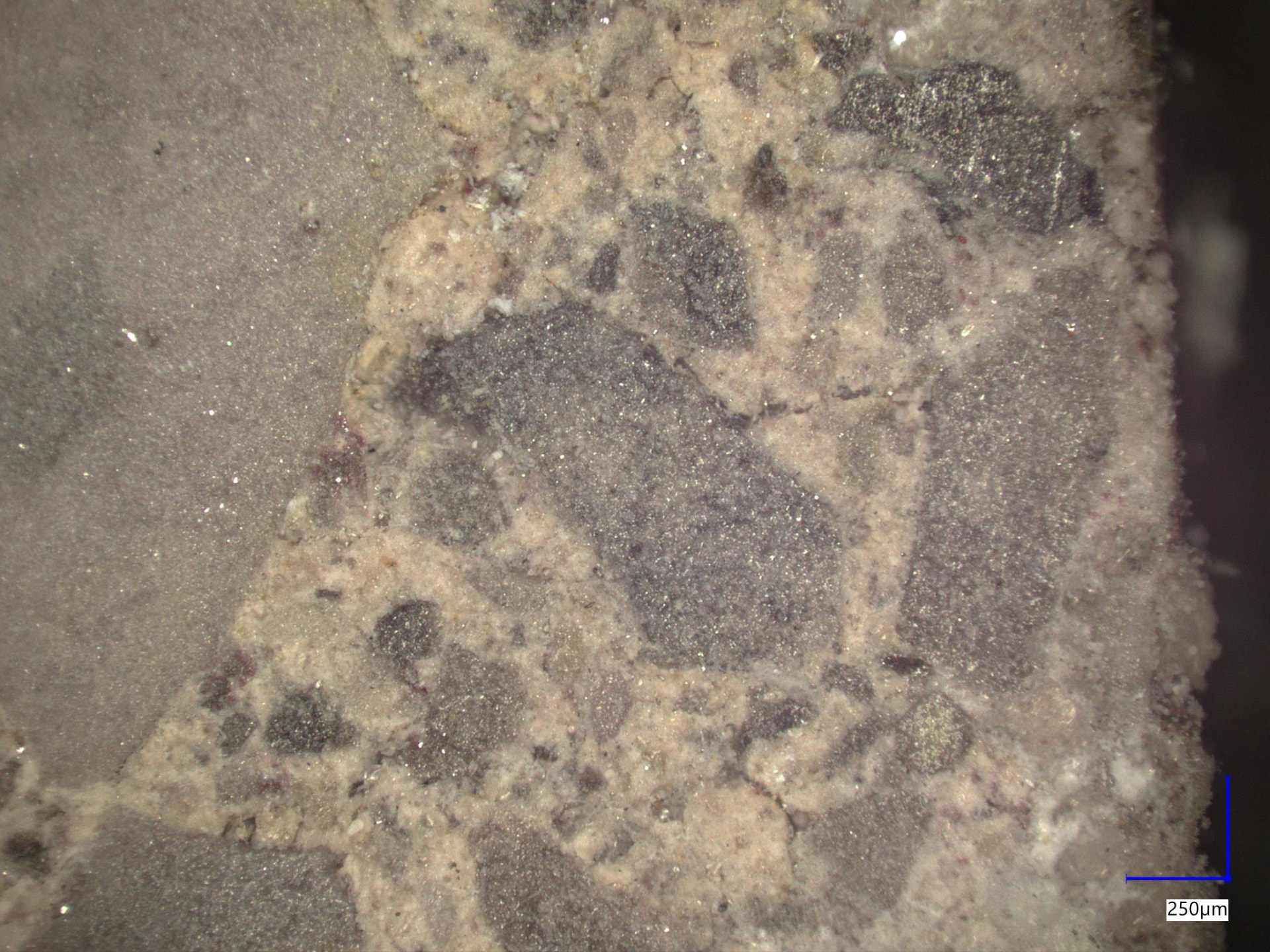
Flow conditions inside the tundish determine residence time, recirculation, turbulence intensity and interaction with refractory surfaces. These parameters directly influence inclusion transport, thermal uniformity, lining wear and process stability.
IPC treats these interactions as engineering variables that can be analysed, modelled and controlled.
- Residence time distribution
- Recirculation and short-circuit flow
- Turbulence intensity and energy dissipation
- Refractory surface interaction
Flow Determines What Reaches the Mold
Inclusion behaviour is not only a chemistry problem. It is also a flow-control problem.
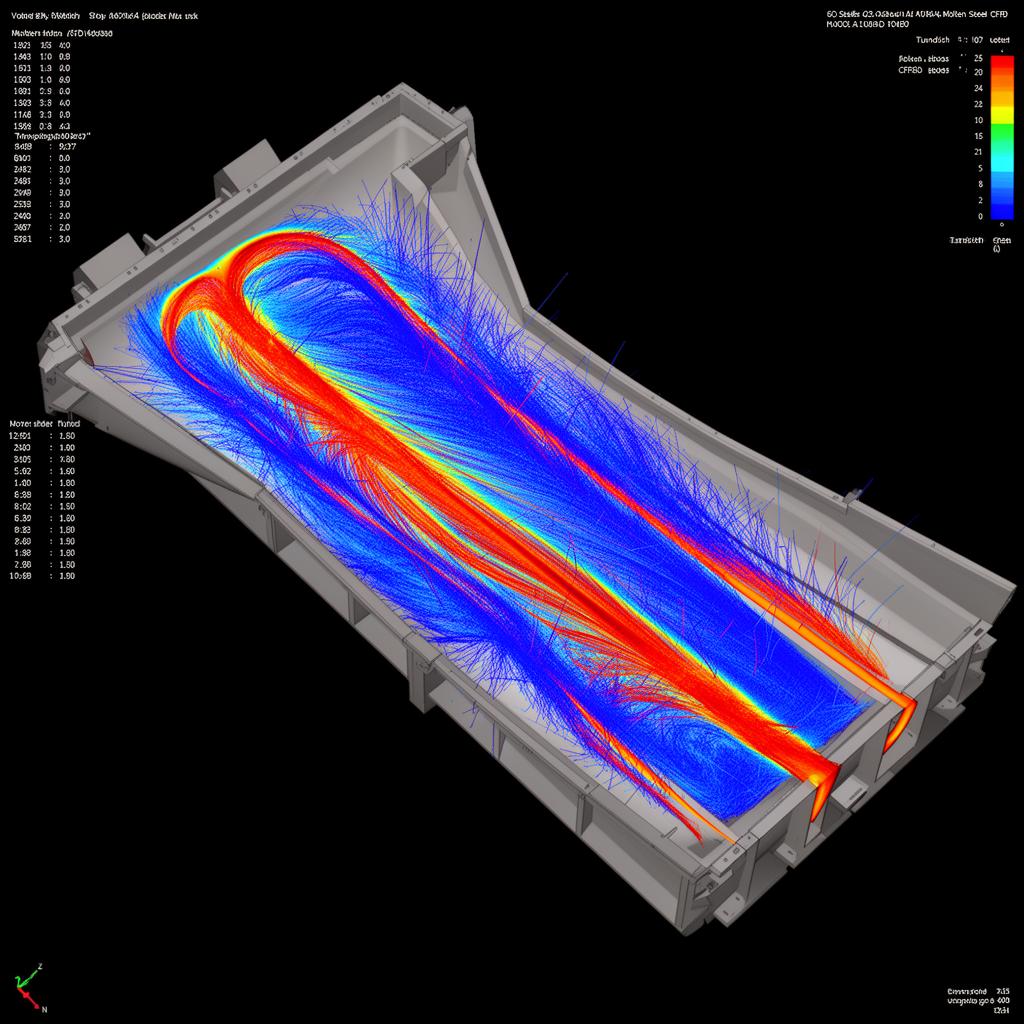
Residence time, turbulence, recirculation and surface interaction influence flotation, separation and possible re-entrainment of non-metallic inclusions. Flow control therefore becomes an active part of steel cleanliness management.
Formed within the steel by deoxidation and reoxidation reactions — typically alumina-type oxides whose transport and separation depend on flow conditions.
Introduced from outside the melt — slag entrainment and eroded refractory material, both strongly driven by turbulence and surface interaction.
IPC Spheric Flow Control Platform
A holistic engineering platform integrating geometry, refractory materials, modelling and operating conditions.
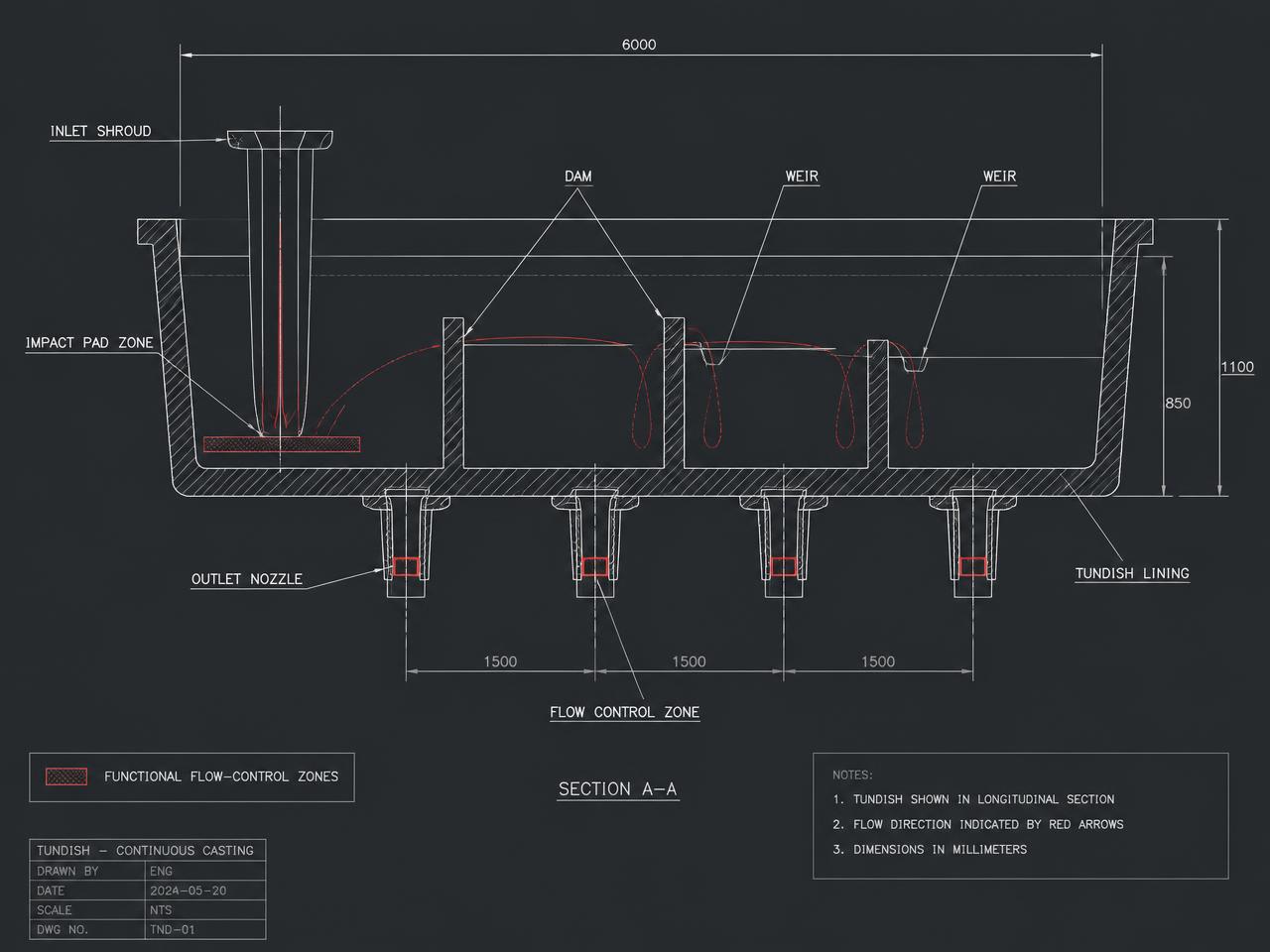
IPC does not optimize individual refractory components in isolation. We engineer the interaction between geometry, materials, steel flow and operating practice.
Geometry becomes a process-control tool: each functional zone is dimensioned against the flow regime it is expected to produce, and against the refractory behaviour required to sustain it through the campaign.
Controlled Flow Regime
Engineered flow distribution, residence time and energy dissipation.
Inclusion Management
Flow conditions supporting flotation and separation while reducing re-entrainment.
Lining Protection
Reduced erosive loading through controlled impact-zone and bulk-flow behaviour.
Economic Performance
Longer refractory life, greater process stability and lower operational cost.
Patent-Protected Spheric Impact Pad
Engineered impact-zone geometry as an active flow-control element.
At the core of the platform is IPC's patent-protected spheric impact-zone concept. Its engineered geometry and surface design are used to redistribute incoming kinetic energy and shape the initial flow regime at the point where steel enters the tundish.
The impact element is therefore designed not only to protect refractory lining, but to actively influence tundish hydrodynamics.
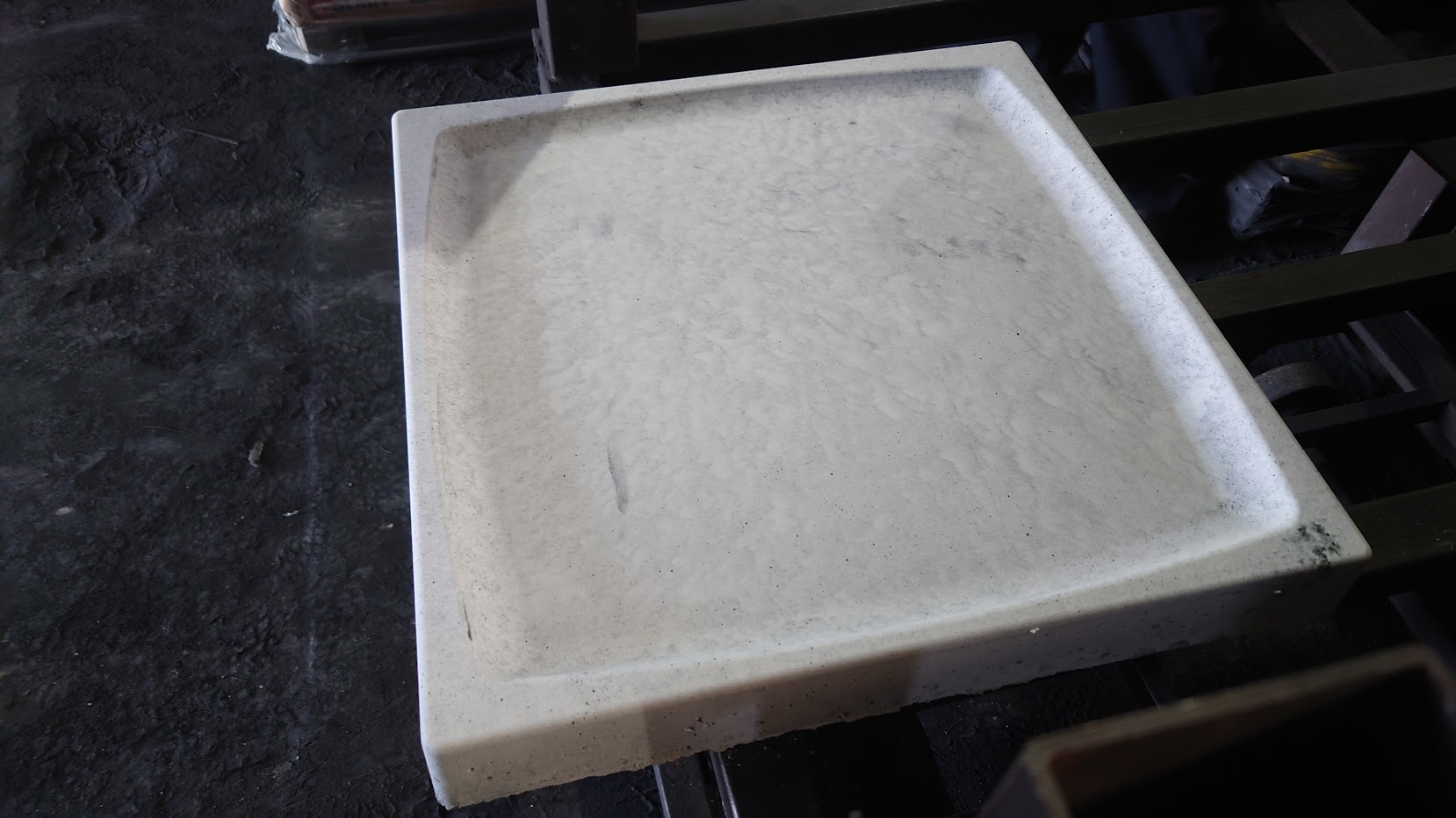
Flow control cannot be separated from refractory behaviour, tundish geometry, thermal conditions or operating practice. IPC engineers these interactions as one system.
Engineering Platform
Model. Validate. Engineer. Implement. Refine.
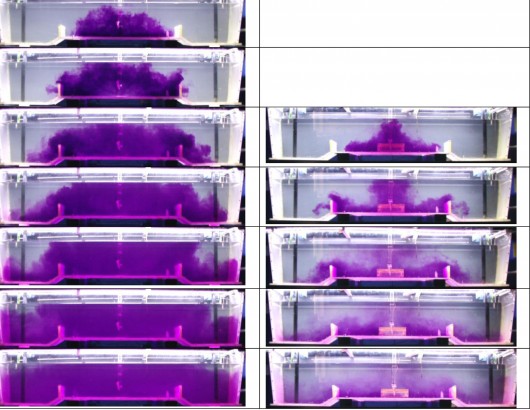
CFD and physical water modelling are used to understand flow behaviour before industrial implementation. Geometry and refractory configuration can therefore be evaluated and optimized before plant trials.
Industrial operating data then close the engineering loop, feeding the next design iteration and allowing continuous refinement of the system.
From Flow Physics to Economic Performance
Flow control has value only when it improves the industrial process.
Process Stability
More predictable tundish behaviour and operating windows.
Metallurgical Performance
Improved conditions for inclusion management and thermal stability.
Refractory Performance
Reduced localized erosion and improved lining campaign life.
Economic Impact
Lower intervention requirements, improved asset utilization and measurable operating-cost benefits.
Discuss Your Tundish Conditions
Describe your tundish geometry, number of strands, steel grades, casting sequence, current flow-control arrangement and main operational challenge. Our engineering team will analyse the process and identify the parameters relevant to a customer-specific flow-control concept.