Platform
Flow Control Platform
The tundish is the last point in the steelmaking process where steel quality can be influenced. IPC engineers flow control systems to optimize this critical process stage.
The Tundish — Critical Control Point
The last opportunity to influence steel quality before solidification.
The tundish is the final vessel where it is possible to eliminate non-metallic inclusions, stabilize steel flow and optimize conditions before the steel enters the continuous casting mould.
IPC addresses four critical objectives in the tundish:
- Control of steel flow patterns and residence time
- Elimination of non-metallic inclusions
- Protection of tundish refractory lining
- Optimization of operational costs
Non-Metallic Inclusions in Steel
Understanding inclusion origins is essential for effective elimination.
Endogenous Inclusions
Originate directly from the steelmaking process. Aluminium oxide (Al₂O₃) is a primary example — it forms microcrystals within the steel structure that can cause:
- Crack initiation in finished products
- Material defects and structural failures
- Reduced mechanical properties
Exogenous Inclusions
Arise from the technological process itself — eroded refractory lining fragments, slag entrainment and materials from process equipment entering the steel:
- Detached refractory lining material
- Slag carryover from upstream vessels
- Erosion products from flow control components
IPC Flow Control System
Four integrated components — each effective independently, maximum performance when combined.
Flow Control
Controlled steel flow patterns through optimized geometry of flow modifiers, dams and weirs.
Inclusion Separation
Engineered flow conditions that promote flotation and separation of non-metallic inclusions.
Lining Protection
Reduced refractory erosion through controlled steel flow patterns and minimized turbulence zones.
Cost Optimization
Extended refractory life, reduced inclusion-related defects and improved process stability.
Patented Technology: Impact Plates with Rough Surface
IPC has developed and patented impact plates with engineered rough surfaces for tundish applications. These components control steel flow hydrodynamics at the point of entry, optimizing energy dissipation and promoting inclusion separation from the earliest stage of tundish residence.
- Controlled steel flow formation at the impact zone
- Optimized hydrodynamic conditions for inclusion flotation
- Reduced turbulence and refractory erosion
- Extended tundish campaign life
Engineering Platform
Process modelling, simulation and geometry optimization capabilities.
Engineering Modelling
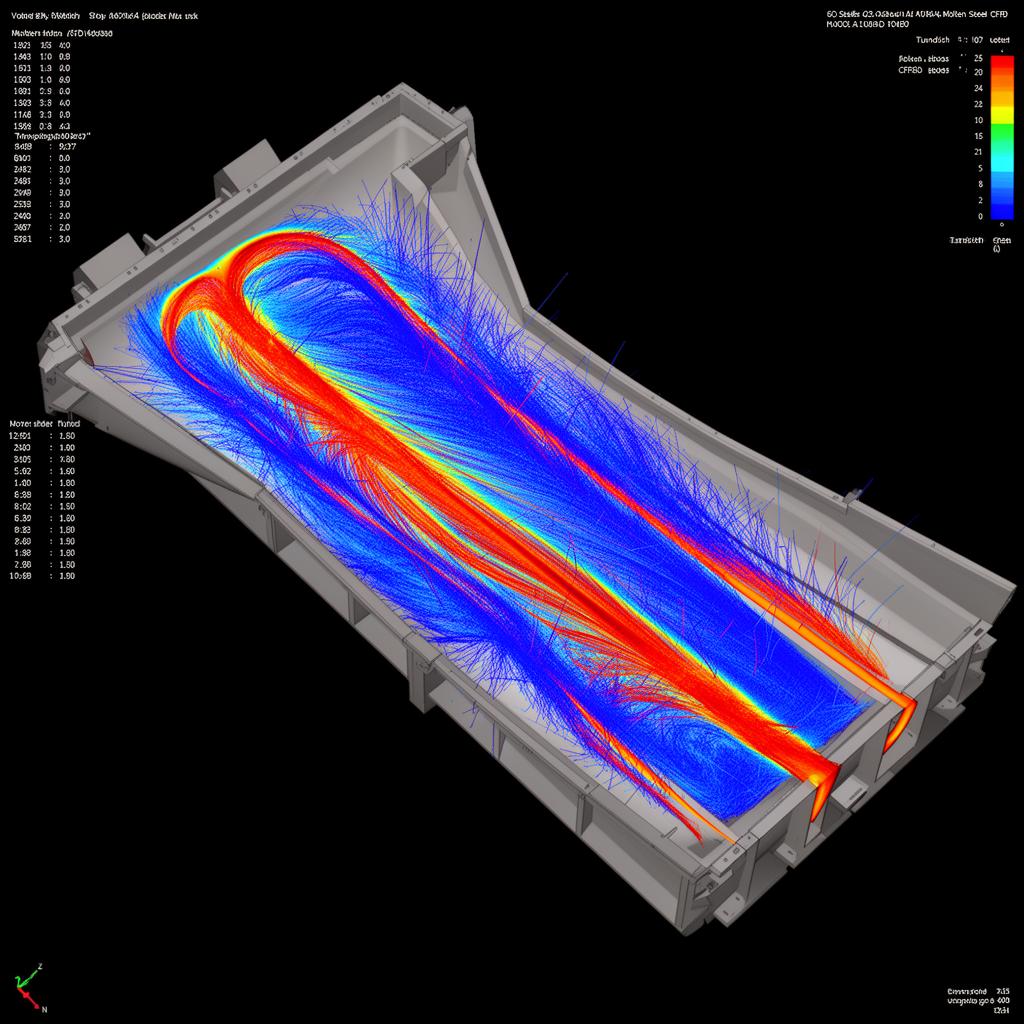
Computational fluid dynamics and thermal modelling predict steel flow behaviour, temperature distribution and refractory-steel interactions within tundish systems. Modelling outputs directly inform geometry design and material selection.
Process Simulation
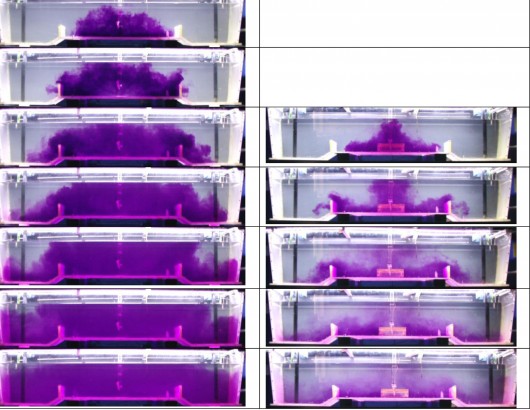
Physical water modelling complements CFD analysis to validate flow patterns and optimize flow modifier placement. Results are correlated with plant operational data to calibrate models against real steelmaking conditions.
Geometry Optimization
Flow modifier geometry, impact pad profiles and dam/weir configurations are systematically optimized to control residence time distribution, minimize short-circuit flow and promote inclusion flotation.
Operational Stability
Engineered flow control systems deliver consistent metallurgical performance across casting sequences. System design accounts for refractory wear progression to maintain performance throughout the tundish campaign.
Discuss Your Tundish Flow Control Requirements
Our engineering team will analyse your specific process conditions and propose an optimized solution.
Request Technical Information